10 Tips to Make Your Residential and Commercial Roof Last Longer
Your roof is one of the most significant investments you'll make in your property. It's the first line of defense against the elements, protecting everything and everyone underneath it. Here in the Baltimore area, roofs endure everything from humid, hot summers to icy winters and powerful coastal storms. Extending the life of that investment isn't just about saving money on a premature replacement; it's about ensuring peace of mind. Proactive care is the key to maximizing your roof's lifespan and performance. By following a few straightforward maintenance tips, you can prevent small issues from becoming costly disasters and keep your residential or commercial roof in top condition for years to come.
1. Schedule Regular Professional Inspections
Out of sight shouldn't mean out of mind. The single most effective way to extend your roof's life is to have it professionally inspected. A trained eye can spot subtle signs of wear and tear, potential leak points, and other issues that are invisible from the ground. We recommend a professional roof inspection at least once every two years and after any major weather event, like a hailstorm or severe windstorm. This allows you to catch and address problems while they are still minor and manageable.
2. Keep Your Gutters Clean and Clear
Your gutters are a critical part of your roofing system. When they become clogged with leaves, twigs, and other debris, water can't drain properly. This backup can force water under your shingles and into the roof deck, leading to rot, mold, and interior leaks. For many Baltimore homes, especially the classic rowhouse, shared gutter lines can make this even more critical. Ensure your gutters are cleaned at least twice a year, once in the late spring and again in the late fall.
3. Remove Debris from the Roof Surface
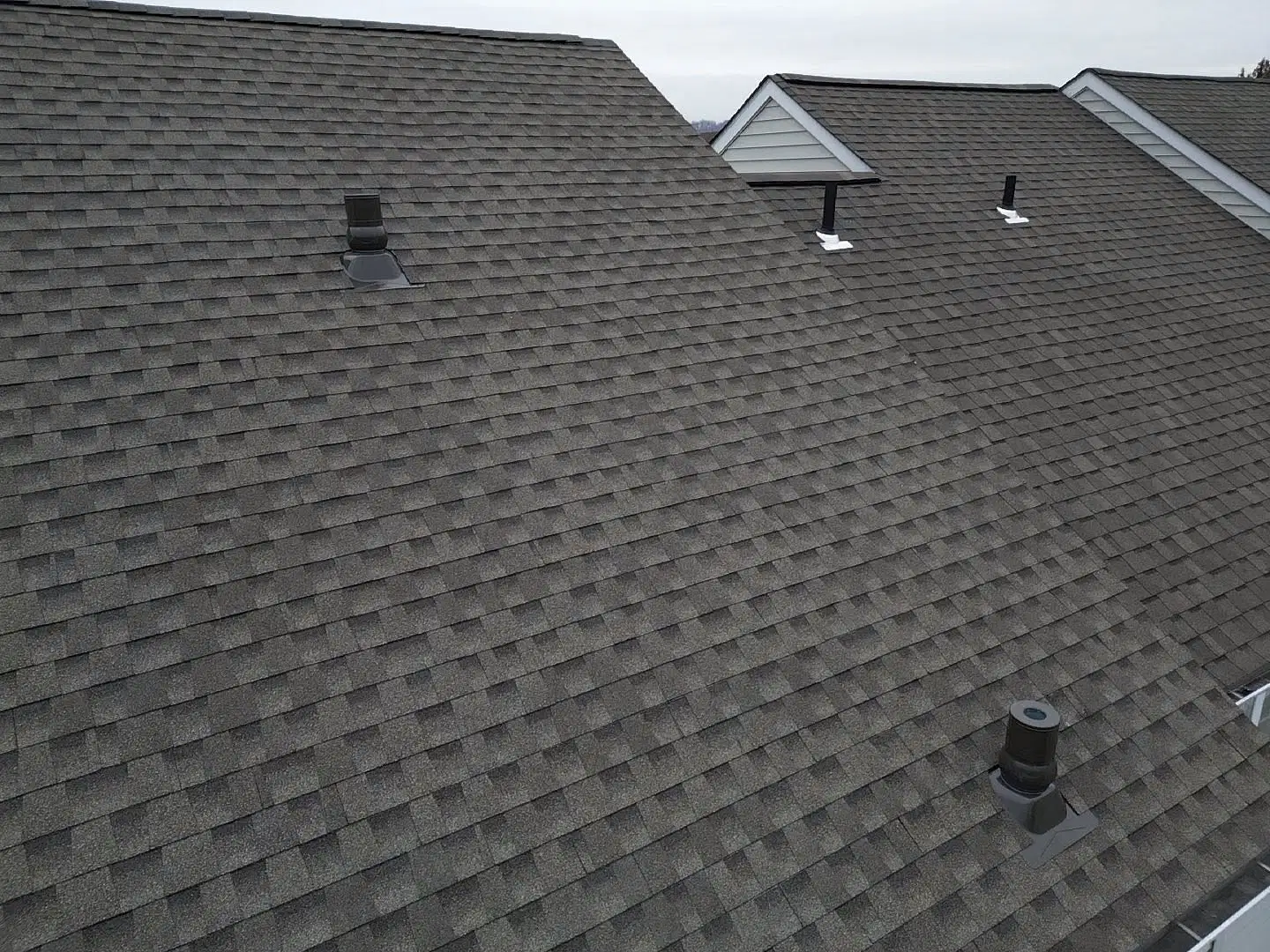
Just as debris clogs gutters, it can also cause problems on the roof itself. Piles of wet leaves or pine needles can trap moisture against your shingles, promoting the growth of moss and algae and accelerating granule loss on asphalt shingles. After a storm or on a seasonal basis, make sure to safely remove any significant accumulation of debris from your roof's surface.
4. Address Small Repairs Immediately
A missing shingle, a cracked sealant, or a piece of lifted flashing might seem like a minor issue, but it's an open invitation for water intrusion. Water is relentless and can find its way into the smallest of openings, leading to significant structural damage over time. Addressing these issues with a prompt roof repair is far more cost-effective than dealing with the extensive damage a persistent leak can cause.
5. Trim Overhanging Tree Branches
Trees provide wonderful shade, but overhanging branches pose a multi-faceted threat to your roof. They can scrape against shingles during high winds, wearing away the protective granules. They also drop leaves and twigs that clog gutters and can serve as a bridge for pests. In a severe storm, a heavy branch can fall and cause catastrophic damage. Keep tree limbs trimmed back at least six feet from your roofline.
6. Ensure Proper Attic Ventilation
A healthy roof needs to breathe. Proper attic ventilation helps regulate temperature and moisture levels. In the summer, it allows super-heated air to escape, preventing it from baking your shingles from the inside out. In the winter, it helps prevent moisture from condensing on the underside of the roof deck, which can lead to mold and rot. An unbalanced system can drastically shorten your roof's lifespan.
7. Manage Moss and Algae Growth
Those dark streaks or green patches you see on roofs are often algae or moss. While algae is mostly a cosmetic issue, moss is more problematic. It can hold moisture against the roof surface and its root-like structures can lift shingles, making them vulnerable to wind and water damage. If you notice growth, consult a professional about safe removal methods that won't harm your shingles.
8. Limit Foot Traffic
Unless you're a trained professional, you should stay off your roof as much as possible. Walking on shingles can dislodge the protective granules that shield them from UV rays. This is especially true on hot, sunny days when the asphalt is softer and more susceptible to damage. If work needs to be done, always hire a professional who knows how to navigate a roof safely and without causing harm.
9. Check Flashing and Sealants
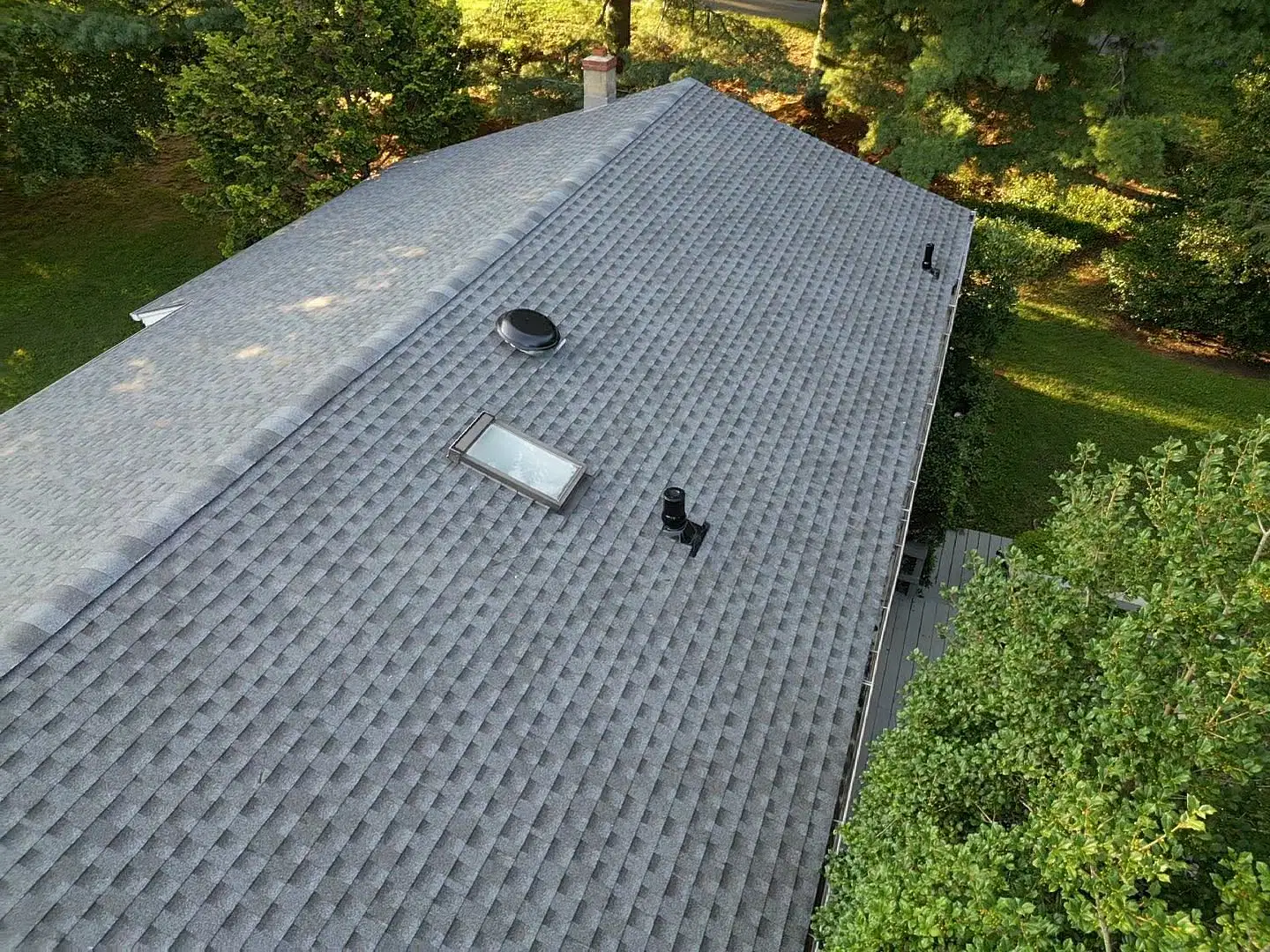
Flashing—the metal pieces installed around chimneys, vents, and skylights—is a common source of leaks. Over time, the sealants around these areas can dry out, crack, and fail. During a professional inspection, these are key areas that will be checked, but it's good for any property owner to be aware of these vulnerable points.
10. Invest in Quality Materials and Installation
Finally, the longest-lasting roof starts with a quality installation. When it's time for a full roof replacement, choosing durable materials designed to withstand our local climate is crucial. But even the best materials will fail if not installed correctly. A reputable, experienced contractor ensures that every component of your roofing system is installed to manufacturer specifications, giving you the best possible foundation for a long and trouble-free service life.
Protect Your Investment with Proactive Care
By incorporating these ten tips into your property maintenance routine, you can significantly extend the life of your roof, enhance your property's protection, and avoid the stress of unexpected, large-scale repairs. A little vigilance goes a long way in preserving the integrity of your home or business.
If you have concerns about your roof's condition or want to schedule a professional inspection in the greater Philadelphia and Chester County area, contact HomeSide LLC today. We offer comprehensive roof inspections, expert repairs, and high-quality replacements to keep your property safe and secure.