
How to Prevent Ponding Water on Your Flat Roof
Living in a classic Baltimore rowhouse brings a tremendous amount of historical charm and a strong sense of community, but it also comes with a unique set of property maintenance challenges. One of the biggest headaches for homeowners in Charm City is managing flat roofs, especially when our region's heavy, unpredictable summer storms roll through. If you have ever looked up after a downpour and noticed water pooling on your roof for days on end, you are dealing with what the industry calls "ponding water."
While a small puddle might seem harmless, stagnant water is actually one of the leading causes of premature roof failure. At HomeSide LLC, we understand how easily a minor drainage issue can escalate into a severe leak that damages your home's interior, structural framing, and even your valuable personal belongings. Let's explore exactly how to prevent ponding water on a flat roof, identify the early warning signs of damage, and keep your historic home safe, dry, and protected year-round.
Why Pooling Water is a Major Structural Problem
It is a common misconception that flat roofs are entirely flat. In reality, a properly installed flat roof has a very slight, almost invisible pitch designed to direct rainwater toward drains, scuppers, or gutters. When that drainage system fails, or if the roof deck itself begins to sag, the water has nowhere to go. Industry standards state that if water remains on your roof for more than 48 hours after a rainstorm, it is officially classified as ponding water.
This standing water acts like a magnifying glass for the sun, accelerating the breakdown of roofing materials due to concentrated UV rays. Furthermore, water is heavy—weighing roughly 8.3 pounds per gallon. An inch of water sitting over a ten-by-ten-foot area adds over 500 pounds of dead weight to your roof structure. Over time, this immense pressure causes the underlying wooden roof deck to sag, creating an even deeper basin for more water to collect during the next storm.
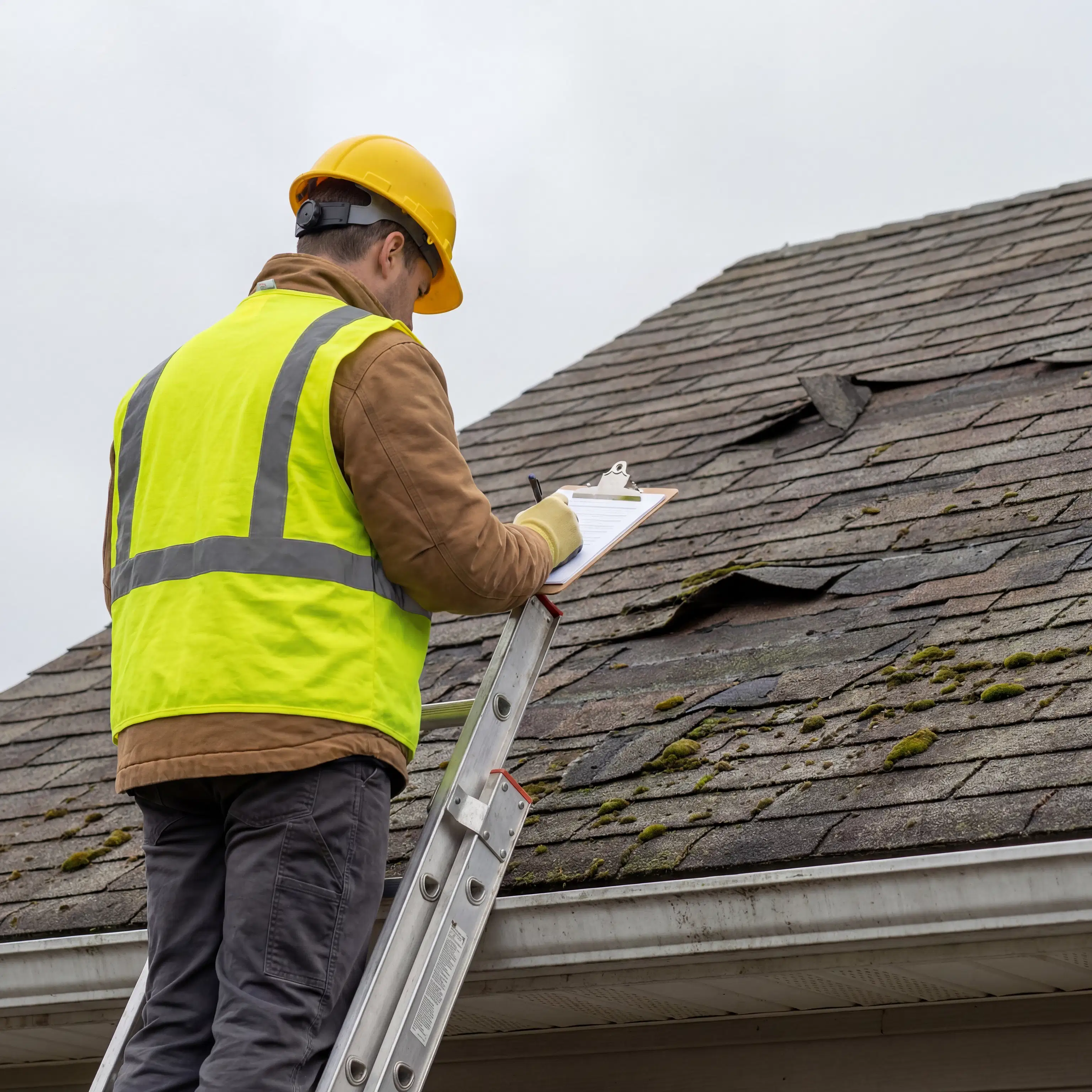
As the water continues to sit, you might start noticing signs of membrane failure on flat roofs. These signs include cracking, blistering, alligatoring of the surface, or the membrane pulling away from the flashing at the edges. If left unchecked, this breakdown of materials inevitably leads to a leaking roof, requiring extensive and costly interior drywall and exterior structural repairs.
Flat Roof Drainage and Gutter Maintenance Tips
The absolute best first line of defense against ponding is an efficient, clear, and high-functioning drainage system. For many historic homes and tight alley houses where space is incredibly limited, ensuring that water has a clear, routed path off the roof is critical for the longevity of the structure.
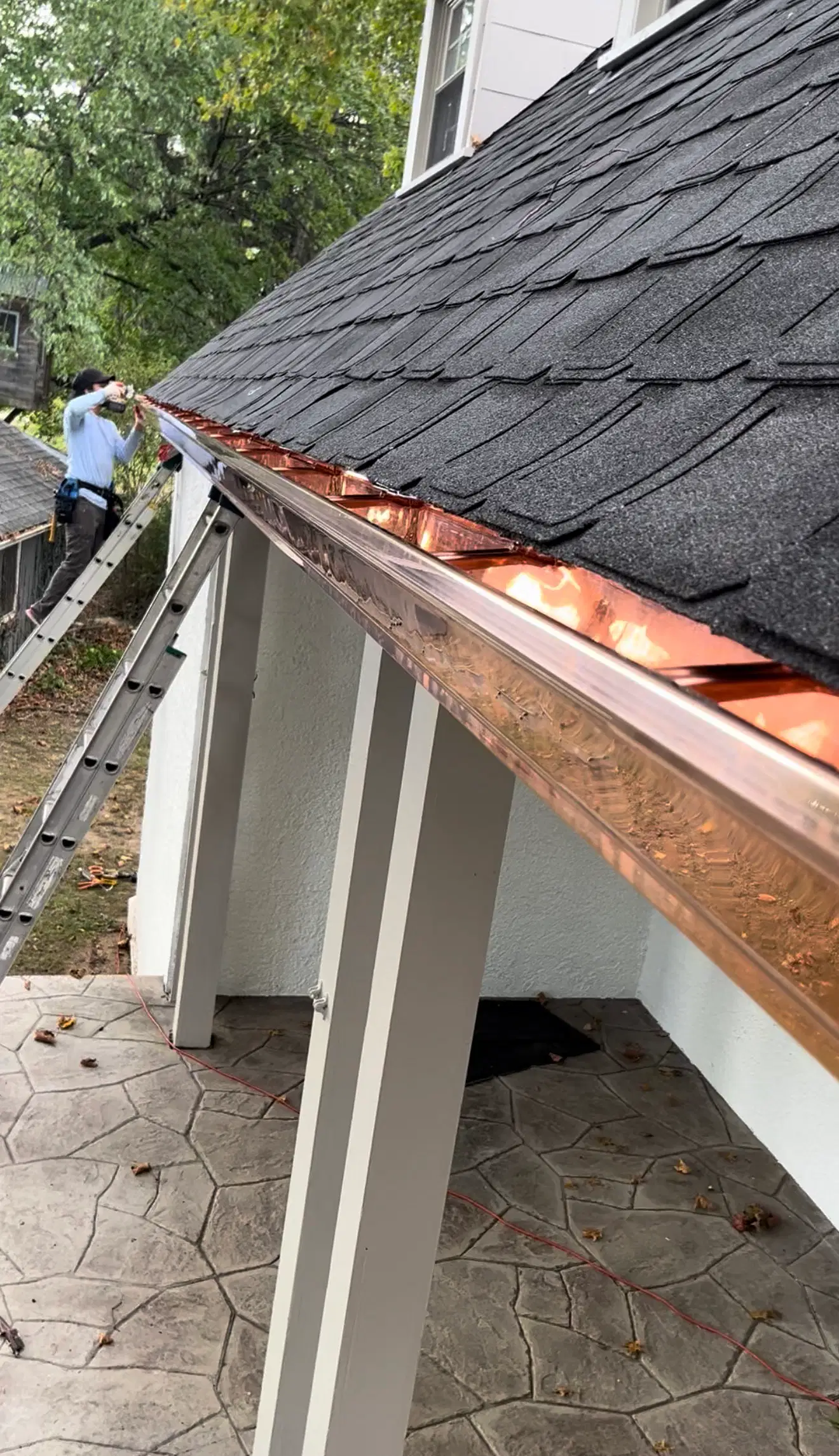
The most effective preventative measure is staying on top of your gutter maintenance. Leaves, twigs, dirt, and general urban debris can easily blow onto your roof and clog scuppers, internal drains, and downspouts. When the drains are blocked, water simply backs up and pools in the center of the roof. We highly recommend inspecting and cleaning your gutters at least twice a year—once in late spring to clear out tree pollen and seeds, and again in late autumn after the leaves have completely fallen.
If you find that your current gutter system is undersized, pulling away from the fascia, or constantly overflowing during heavy Maryland rainstorms, it might be time to upgrade to a higher-capacity, seamless gutter system. Proper drainage ensures that even the heaviest downpours are swiftly carried away from your home's foundation and roof deck.
Long-Term Solutions for Sagging and Ponding
Sometimes, simply cleaning out the gutters isn't enough to solve a chronic ponding issue. If your roof deck has already started to sag from years of previous water weight, or if the building has naturally settled over the decades, the pitch of the roof needs to be physically corrected.
During a full roof replacement, professional roofers can use a system called tapered insulation. This involves installing rigid foam insulation boards that are thicker on one end and thinner on the other, artificially creating the perfect slope to actively direct water toward the drains. Another common solution is installing roof crickets—triangular structures designed to divert water away from chimneys, skylights, and parapet walls where water traditionally gets trapped.
Another frequent culprit of water pooling is deteriorating flashing around parapet walls or the tricky transitions where the flat roof meets iconic Formstone siding. If this flashing isn't sealed with absolute precision, water can easily seep behind the walls.
For existing roofs that are relatively new and generally in good condition but have an isolated low spot, professional roofers can sometimes use specialized leveling compounds or silicone roof coatings to build up the depression and create a waterproof barrier. However, if the ponding has already compromised the integrity of the underlying membrane, professional roof repair is absolutely essential. Attempting to patch a failing flat roof yourself often traps hidden moisture underneath the new materials, leading to severe rot and mold issues down the road.
Protect Your Home with Expert Roofing Services
Your roof is your home's most critical defense against the elements. Whether you are dealing with minor drainage issues or require full-scale flat roof repair for rowhomes, addressing ponding water immediately is the key to extending the life of your roof and avoiding devastating interior damage.
At HomeSide LLC, we pride ourselves on delivering transparent, detailed estimates with no hidden fees, utilizing high-quality materials designed specifically to withstand both humid summers and freezing winters. We are fully licensed and deeply experienced in navigating complex residential architectures, ensuring your property is treated with the utmost respect and care.
Don't wait until a small roof puddle turns into a major emergency. If you are concerned about the drainage on your flat roof, need to upgrade your gutters, or want a professional assessment of your current membrane, contact us today. Let our reliable team provide the expert roofing repairs and maintenance you need to keep your home safe, dry, and structurally sound for decades to come.