
Identifying and Fixing Leaks Around Exterior Windows
A driving rainstorm sweeping off the Chesapeake Bay has a way of testing every single seal, seam, and shingle on your property. If you have recently noticed a mysterious puddle on your windowsill or a suspicious water stain creeping down the wall, you are certainly not alone. The extreme seasonal shifts we experience here in Maryland—from freezing, icy winters to intensely humid and stormy summers—can take a massive toll on the exterior envelope of your home.
Water intrusion is one of the most frustrating challenges a homeowner can face. It is often difficult to pinpoint exactly where the moisture is originating, as water can travel surprising distances behind your walls before finally making an appearance indoors. A common culprit that frequently goes overlooked is the structural integrity of your windows and the materials surrounding them. When the barriers protecting these openings fail, the results can range from a mild annoyance to severe structural damage and costly interior repairs.
Understanding how to spot the early warning signs, knowing what causes these vulnerabilities, and learning the appropriate steps for remediation can save you significant time and money. At HomeSide LLC, we believe in equipping homeowners with the knowledge they need to protect their investment and maintain a safe, dry, and comfortable living environment.
Recognizing the Early Warning Signs
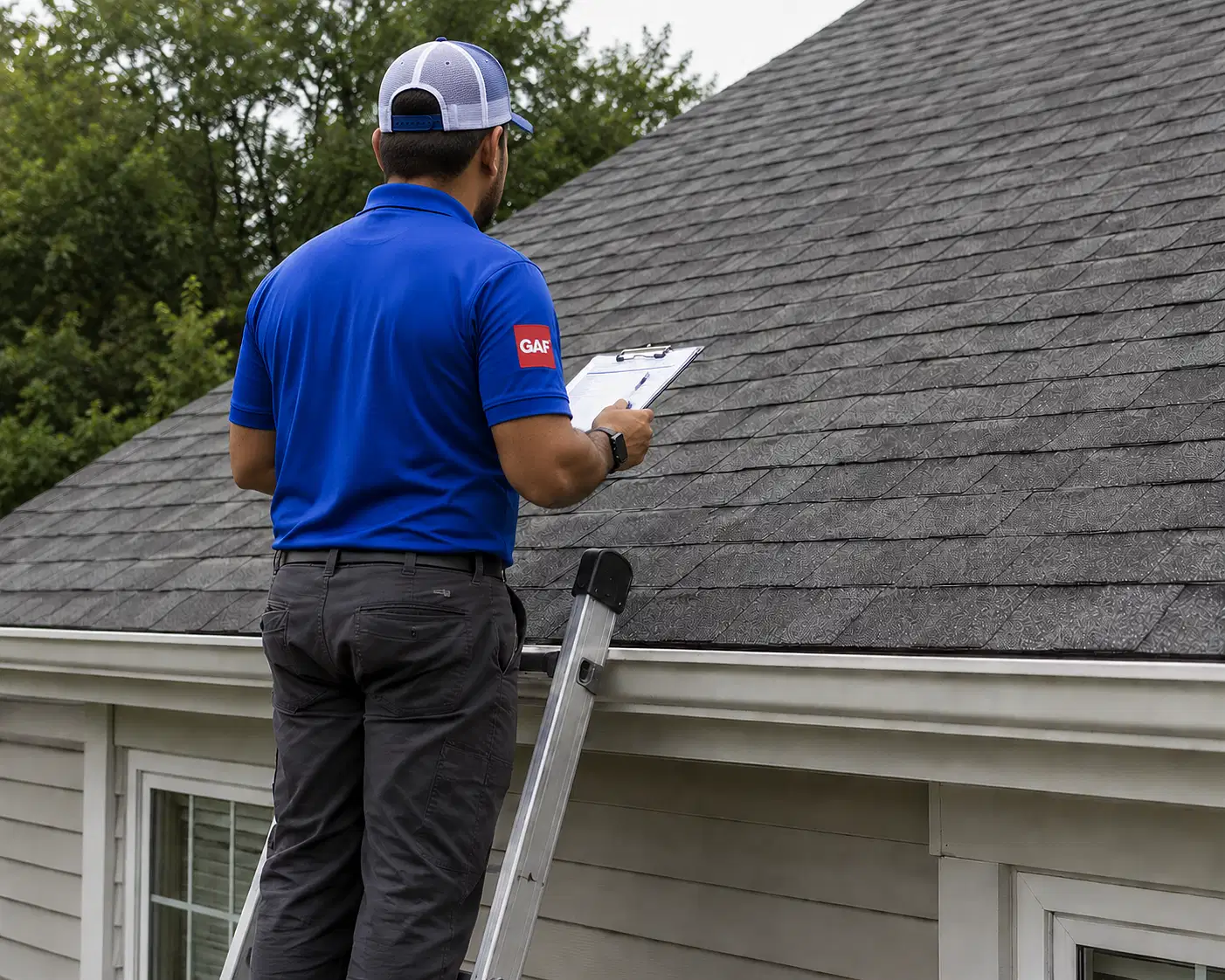
Identifying the signs of leaking window frame and siding deterioration is the critical first step in stopping moisture damage before it spreads. Water is notoriously sneaky. It rarely presents itself as a straightforward, steady drip right at the source of the failure. Instead, it slowly seeps into the microscopic gaps caused by aging materials or fluctuating temperatures.
One of the most obvious indicators is bubbling or peeling paint on the sill or the drywall immediately beneath the frame. When moisture gets trapped behind the paint, it forces the surface to blister and flake away. You might also notice the wood beginning to warp, swell, or feel soft to the touch, which is a clear indication that rot has begun to set in.
Another subtle sign is persistent condensation or fogging between the panes of double or triple-pane glass. While this primarily indicates a failed thermal seal rather than a direct leak into your walls, it proves that the unit is no longer airtight and weather-resistant. Furthermore, if you detect a persistent musty odor in the room or notice dark patches of mold forming in the corners of the framework, water has likely been infiltrating the space for an extended period. Because the perimeter of the opening interacts directly with your home's exterior cladding, it is essential to check if the siding itself is loose, cracked, or pulling away from the trim.
Understanding What Causes the Damage
Why do these leaks happen in the first place? Age is certainly a primary factor. Over time, the constant cycle of freezing winters and sweltering summer humidity causes building materials to expand and contract. This relentless thermal cycling degrades the caulking and weatherstripping meant to keep moisture out. As these sealants dry out, crack, and shrink, they leave vulnerable gaps exposed to the elements.
If you live in one of our historic rowhouses or a property featuring classic Formstone, the transition points where the flat, rigid exterior meets the framing can be particularly susceptible to water intrusion. Flashing—the thin metal material installed to direct water away from vulnerable seams—can rust, bend, or be improperly installed. When flashing fails, water that runs down the side of your home during a heavy downpour is funneled directly into the wall cavity instead of being harmlessly diverted to the ground.
Severe weather events also play a major role. High winds can drive rain completely sideways, forcing moisture upward under the trim in ways that typical gravity-driven rain would never reach. Additionally, winter ice dams can cause melting snow to back up and seep into areas that are usually well above the standard splash zone.
Protecting Your Home's Exterior
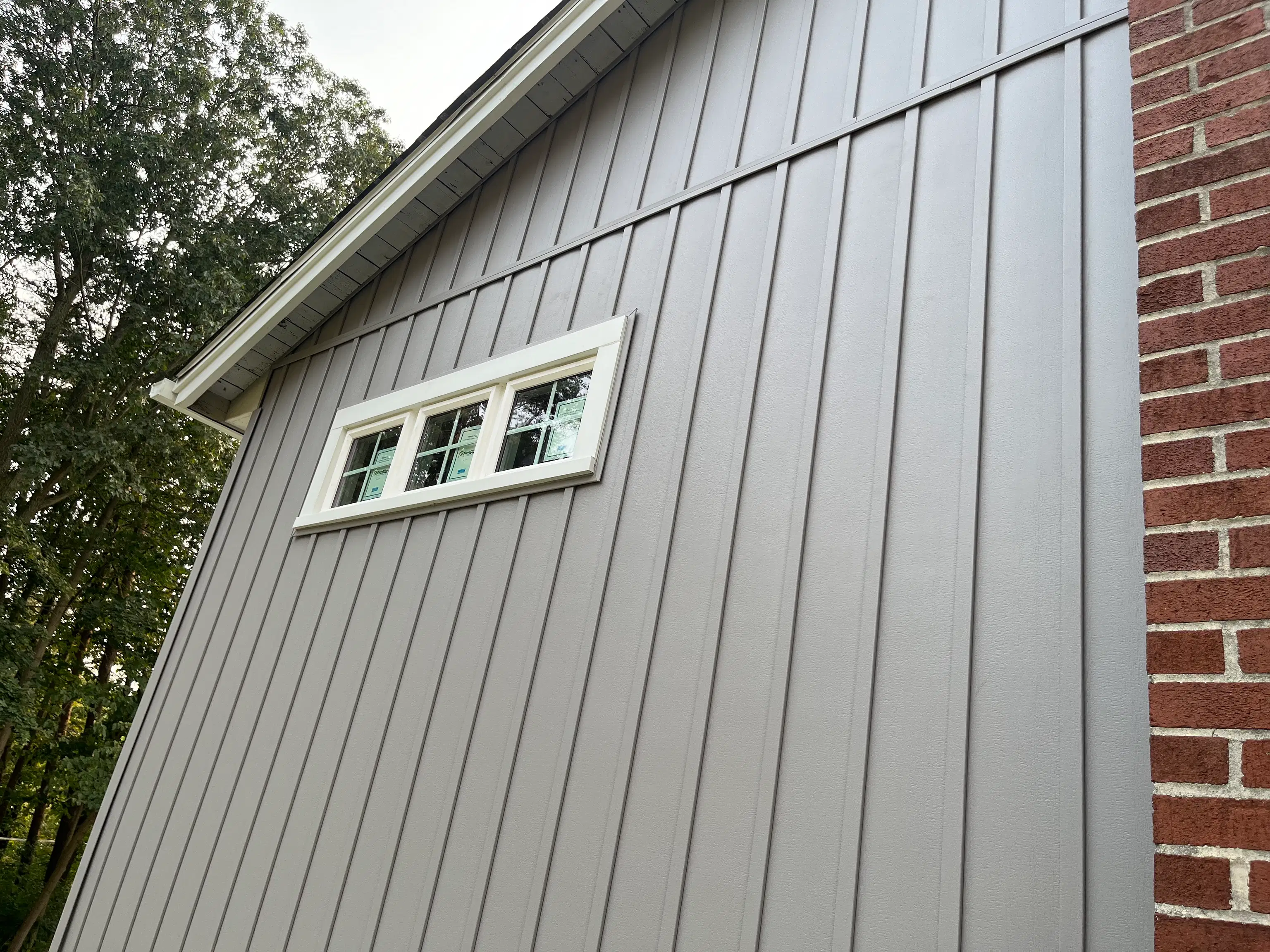
Once you understand how vulnerabilities form, the next logical step is learning how to prevent water damage around window seals. Consistent, routine maintenance is your absolute best defense against the elements. We highly recommend walking the perimeter of your property at least twice a year—ideally in the mild days of spring and autumn—to visually inspect the exterior of your home.
Pay close attention to the caulking around the trim. If you see cracks or gaps, the old caulk should be carefully scraped away and replaced with a high-quality, exterior-grade silicone sealant. Never just layer new caulk over the old, degraded material, as this will not create a watertight bond and will likely fail during the next major storm.
It is also crucial to ensure that your home's drainage systems are functioning correctly. Overflowing gutters can cascade sheets of water directly onto your exterior walls, overwhelming the flashing and forcing water behind the trim. Keeping your drainage clear reduces the volume of water your home's exterior must repel. If you are unsure about the integrity of your flashing or suspect that moisture has already penetrated the wall cavity, it is always best to consult with a licensed professional who understands local building methods and holds the proper MHIC credentials to perform the work safely and correctly.
When It Is Time for an Upgrade
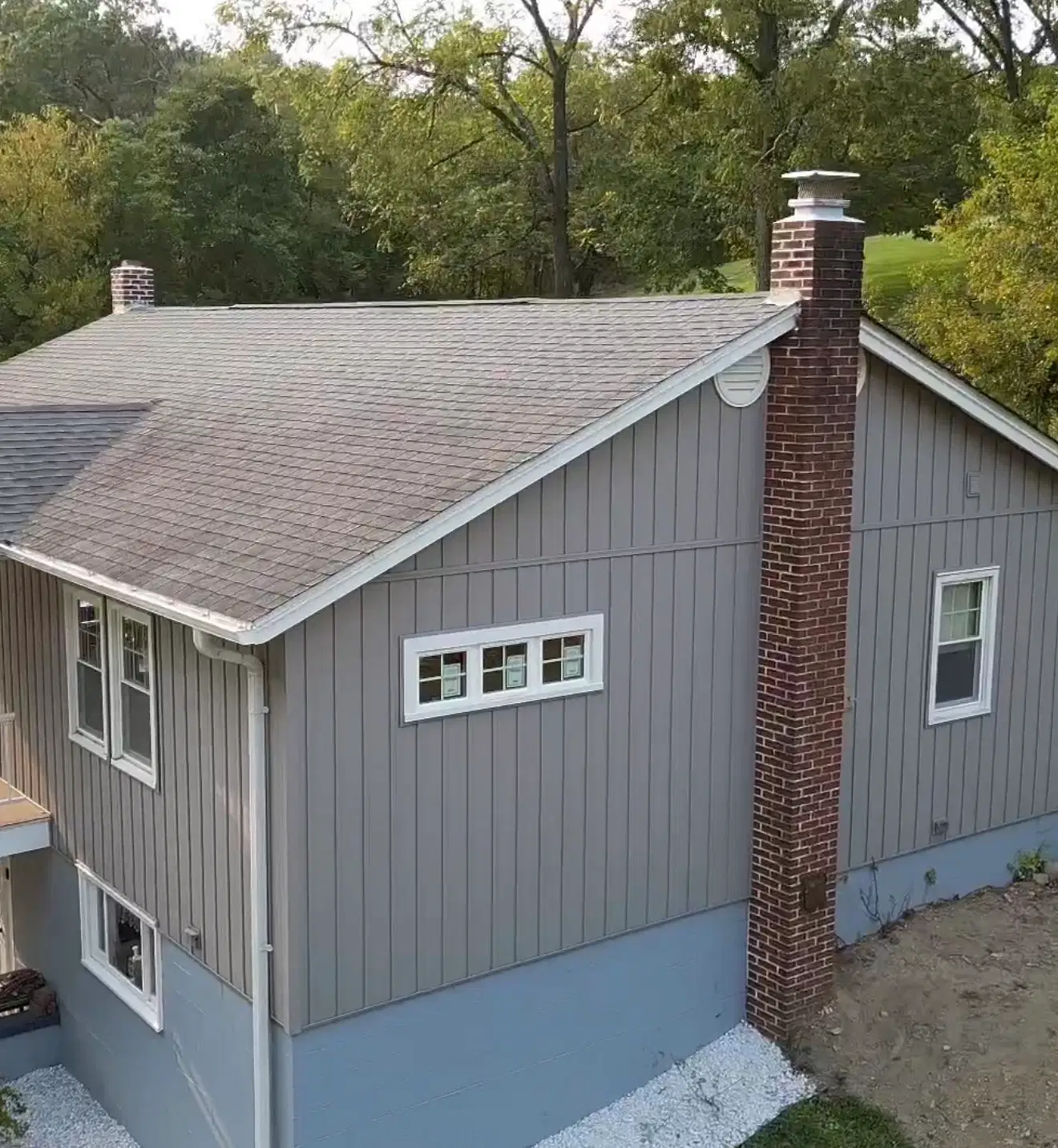
Sometimes, repeated patch jobs and endless tubes of caulk are no longer enough to protect your home. If your frames are structurally compromised by rot, or if the units are simply too old to function efficiently, a full replacement becomes necessary. Upgrading to energy efficient replacement windows for old homes is one of the most impactful investments you can make to improve both the comfort and the value of your property.
Modern manufacturing technology has vastly improved the durability and thermal performance of exterior building materials. Today's options are designed specifically to withstand the harsh humidity and biting cold that characterize our regional climate. They feature advanced weatherstripping, specialized low-emissivity glass coatings, and highly durable frames that will not warp or rot over time.
Navigating local architectural guidelines, such as strict CHAP preservation requirements in historic districts, can sometimes feel overwhelming. However, choosing the right windows means you do not have to sacrifice historical charm to achieve modern energy efficiency and watertight security. A reputable, local contractor will know exactly how to preserve the aesthetic character of your property while ensuring it remains completely protected from the elements.
Partner With a Trusted Local Expert
Dealing with water intrusion can be a stressful experience, especially with the influx of out-of-state storm chasers who often appear after severe weather. You need a trusted, local partner who understands the unique architectural styles and weather challenges of our specific region. Whether you live right in the heart of the city or out in the county, protecting your home's envelope is a responsibility we take very seriously.
At HomeSide LLC, we pride ourselves on providing transparent, detailed assessments without the high-pressure sales tactics. We focus on finding the right solution for your specific situation, ensuring that every seal is watertight and every installation is performed to the highest industry standards.
If you have noticed signs of moisture around your home, do not wait for the problem to escalate into a costly structural repair. Reach out to us today through our contact us page to schedule a comprehensive evaluation. Let our experienced team help you keep your home safe, dry, and beautiful for years to come.