
Preparing Your Siding and Gutters for Heavy Maryland Storms
Living in the Mid-Atlantic means we get to experience a little bit of everything when it comes to weather. From the freezing, icy winters to the notoriously humid and stormy summers, our homes take quite a beating throughout the year. For homeowners in Charm City and out in The County, preparing your property for extreme seasonal weather is a yearly ritual. While most people immediately think about their roof when a storm is brewing, two of the most critical defense systems often get overlooked: your gutters and your siding.
When severe weather rolls in, these exterior elements work together to direct water away from your foundation and keep your home's interior bone dry. Unfortunately, out-of-state storm chasers often flood the area after a major weather event, making it difficult to find reliable, local contractors for emergency repairs. That is why proactive maintenance is key. At HomeSide LLC, we believe that taking a few preventative steps now can save you from stressful, expensive repairs later. Let's look at how you can prepare your siding and gutters to stand up to heavy storms, and what to watch out for to keep your home safe.
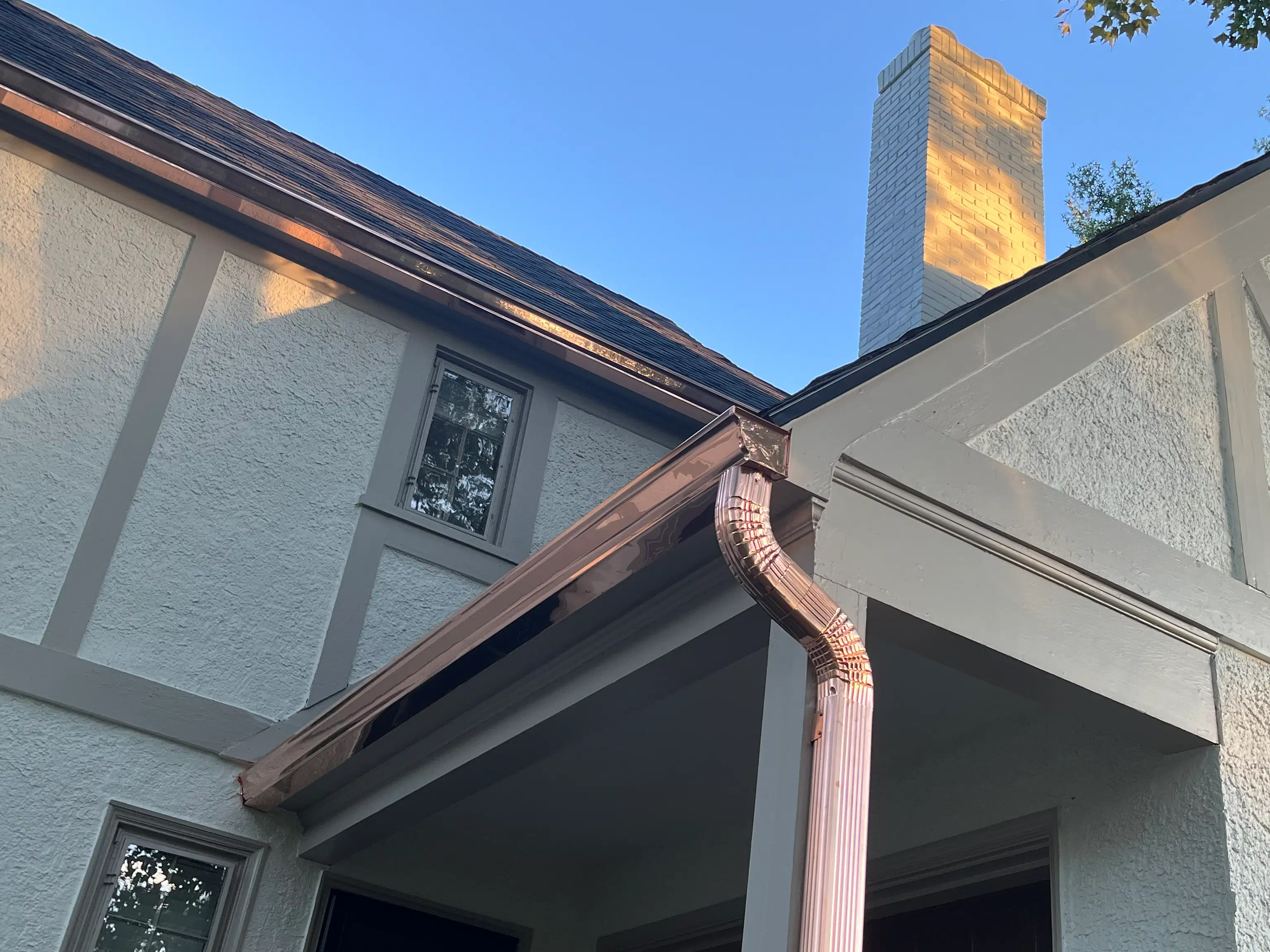
The Critical Role of Clear Gutters
Your gutters are your home's unsung heroes. Their primary job is to collect rainwater runoff from your roof and safely channel it away from your exterior walls and foundation. However, when leaves, twigs, and debris clog that system, it creates a dangerous domino effect. Many homeowners ask us how overflowing gutters damage siding and roofing, and the answer comes down to water finding the path of least resistance.
When water cannot flow freely down the downspouts, it backs up onto the roof and spills over the sides of the gutters. In freezing temperatures, this standing water can freeze, forming heavy ice dams that pry gutters away from the fascia board and force moisture under your shingles. During heavy summer downpours, that same overflow cascades directly down your exterior walls. Over time, this constant sheet of water can cause wood rot around windows, deteriorate your home's exterior, and even lead to severe foundation erosion.
To prevent this, you should have your gutter system inspected and cleaned at least twice a year—once in the late fall after the leaves have dropped, and again in the spring before the heavy rains arrive. Ensuring your downspouts are securely attached and directing water at least three feet away from your foundation is one of the easiest ways to prevent storm damage to roof eaves and siding.
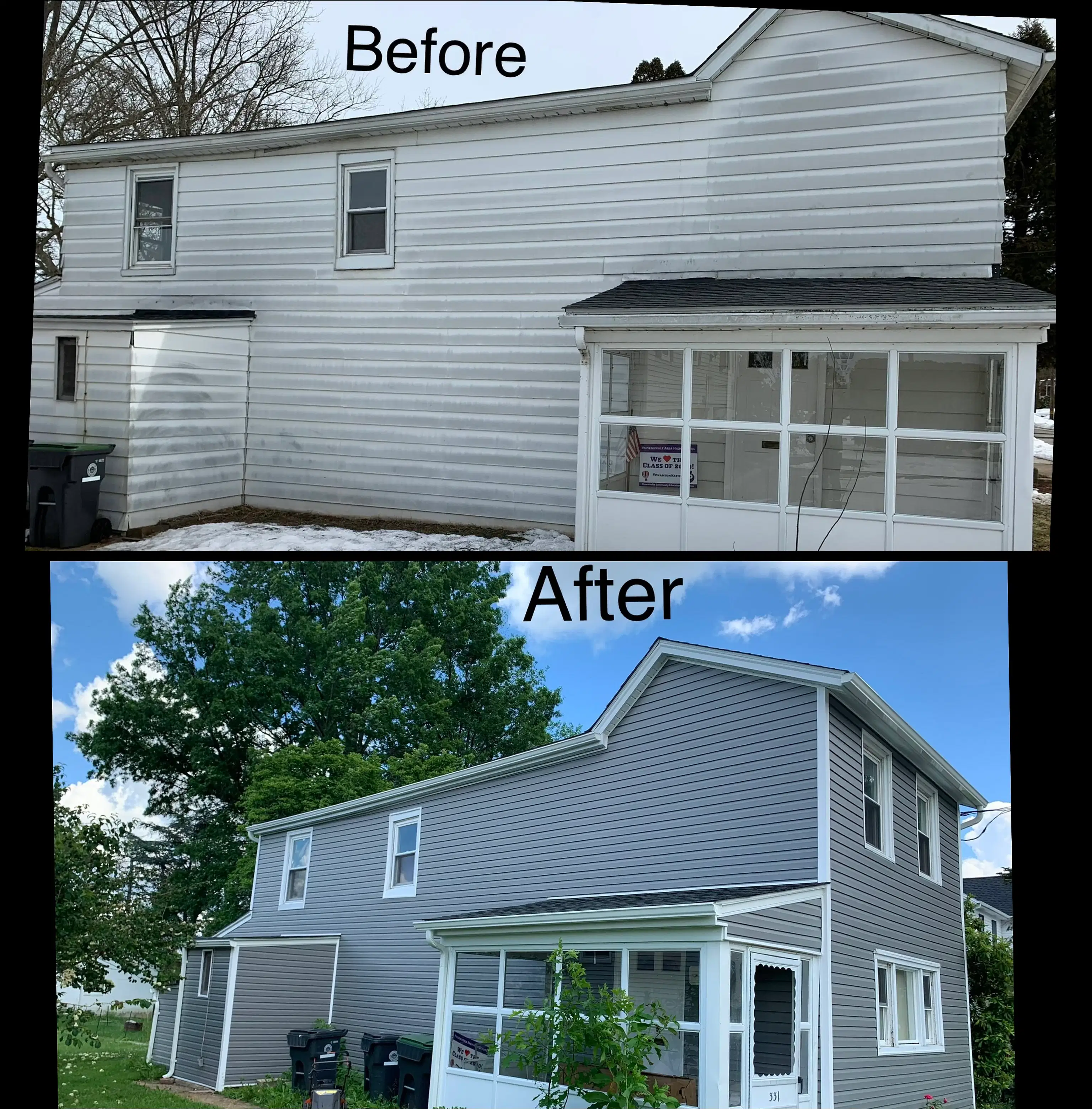
Siding: Your Home's Armor Against the Elements
Whether you live in a historic rowhouse or a newer suburban build, your exterior walls take the brunt of wind-driven rain, hail, and debris. High-quality siding acts as a waterproof shield, but it is only effective if it is entirely intact. Spotting storm damage on gutters and exterior siding early can mean the difference between a simple patch job and a massive moisture remediation project.
After a severe storm passes, take a walk around your property. Look for visible signs of distress, such as cracked, dented, or missing panels. If you have vinyl exterior walls, check for small holes or tearing caused by flying branches or hail. For older homes, pay close attention to areas where the exterior meets window frames or the roofline; these transitions are highly susceptible to wind uplift and water intrusion.
If you notice that panels are loose or hanging, do not ignore them. High winds can easily rip loose panels completely off, exposing the delicate wood underlayment and insulation to the elements. Upgrading to modern, weather-resistant siding can drastically improve your home's energy efficiency while providing robust protection against our unpredictable regional weather.
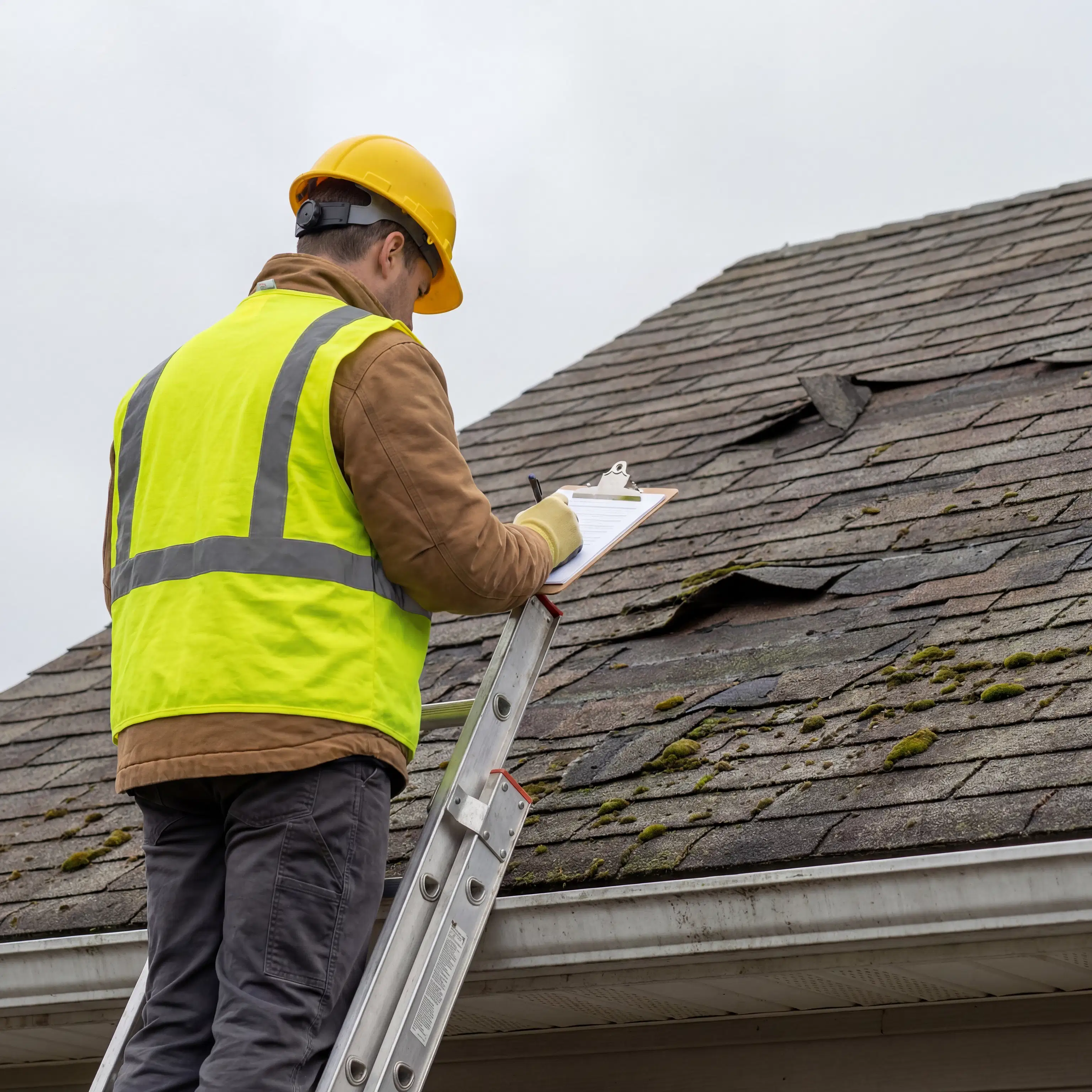
Responding to Storm Damage
Even with the best preparation, Mother Nature sometimes gets the upper hand. When an intense storm causes immediate damage, acting quickly is vital to mitigate further loss. If you experience a sudden leak or structural damage, you need an emergency storm damage roof repair team you can trust—not a fly-by-night company knocking on your door right after the clouds clear.
Always verify that any contractor you hire is fully licensed with the Maryland Home Improvement Commission (MHIC) and carries proper insurance. A reputable, local team will provide a transparent, detailed estimate with no hidden fees and will take the time to properly document the damage for your homeowner's insurance claim.
If your home has been hit hard, our storm & hail damage repair experts are here to help. We utilize modern inspection techniques to accurately assess your property, ensuring nothing is missed. We also understand the unique architectural challenges of our region, from intricate cornices to specialized flashing needs.
Don't Wait for the Next Big Storm
Your home is one of your biggest investments, and keeping its exterior defense systems in top shape is the best way to protect its value. By maintaining clear gutters and addressing exterior wear and tear promptly, you can face the storm season with confidence.
If you are unsure about the current condition of your home's exterior, do not wait until water is pouring in. Reach out to HomeSide LLC to schedule a thorough inspection. Whether you need a minor repair or a complete exterior overhaul, our experienced team is ready to deliver honest assessments and quality craftsmanship. Visit our contact us page today to request a comprehensive evaluation of your property.