Signs Your Aging Roof Needs Full Replacement
If you own a home in Maryland, you know our weather doesn't mess around. From freezing, icy winters that test the structural integrity of your home to humid, stormy summers that bring heavy rain and high winds, your roof takes a constant beating. Whether you live in a classic rowhouse in the heart of Charm City or a single-family home out in the suburbs, figuring out if your roof is simply showing its age or actively failing is crucial for protecting your investment.
Many homeowners struggle to determine when to replace vs repair an old roof. It is a significant financial decision, and with fluctuating material costs and the aggressive tactics of out-of-state storm chasers, finding reliable, transparent advice can feel overwhelming. At HomeSide LLC, we believe in empowering our neighbors with honest information so you can make the best choice for your property and budget.
In this guide, we will walk you through the undeniable red flags that indicate an aging roof has reached the end of its lifespan and explain when a full replacement is the smartest, most cost-effective solution.
Visible Wear and Tear on Shingles
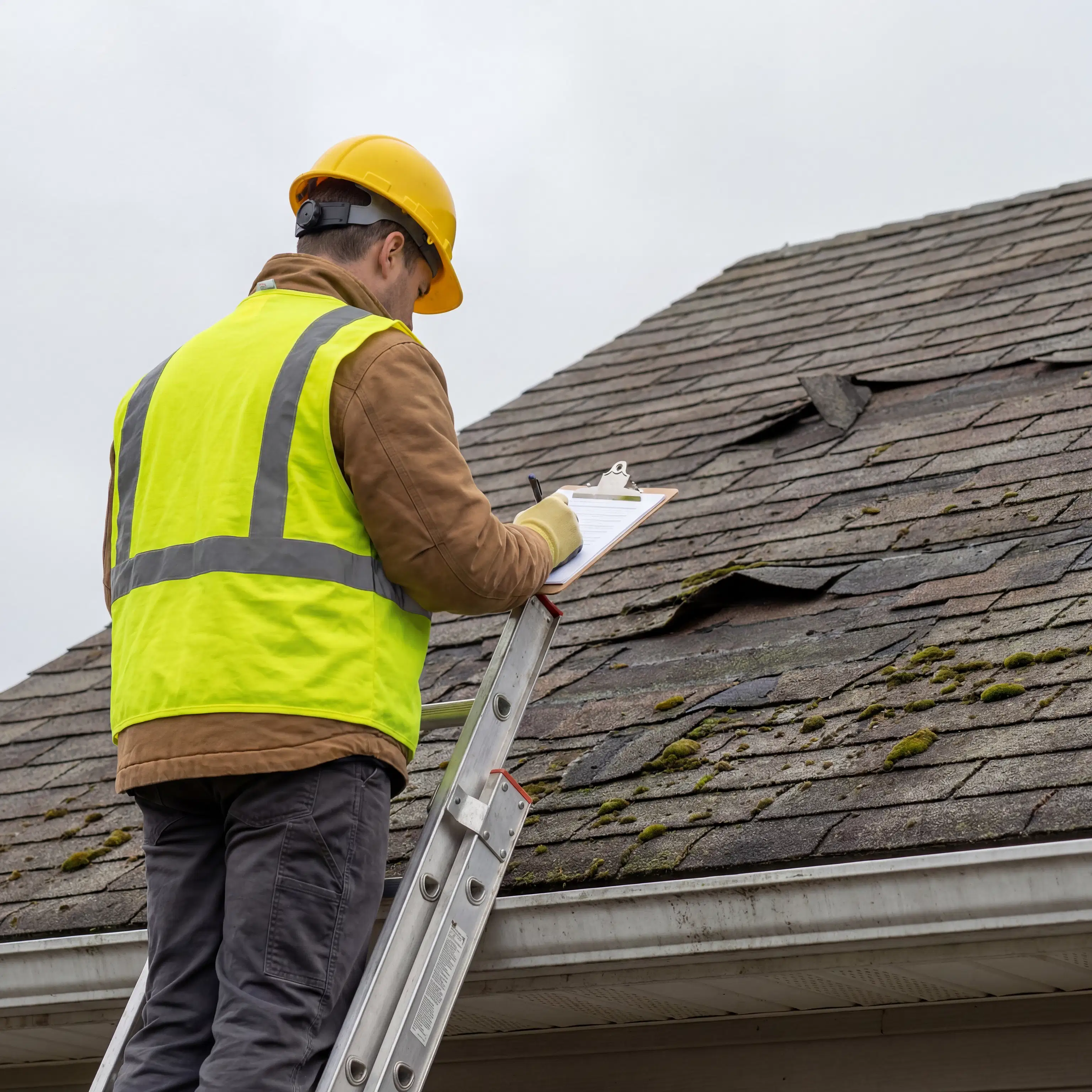
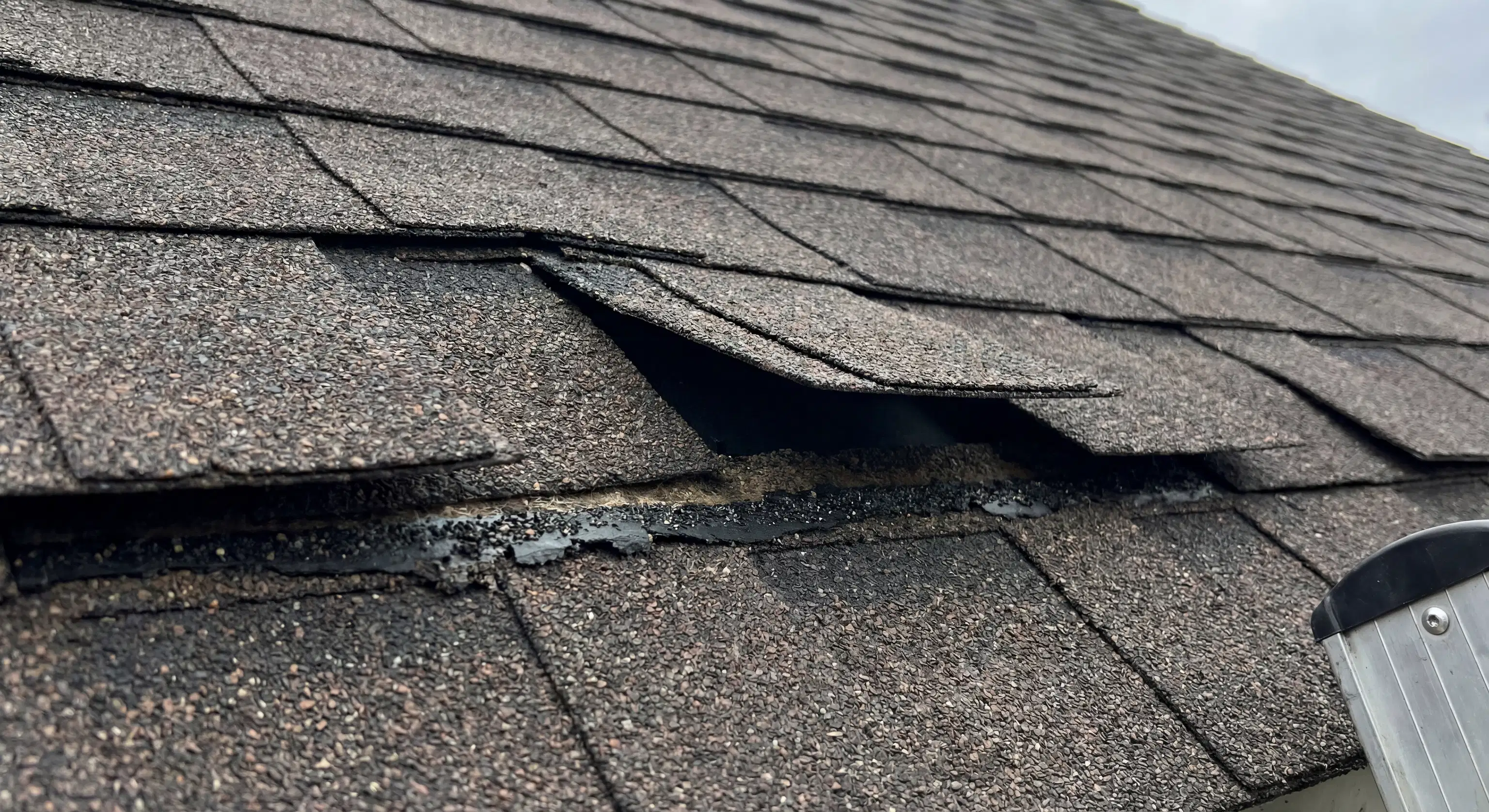
One of the most obvious signs an aging asphalt shingle roof is failing can be seen right from your driveway or backyard. While a single damaged shingle might just warrant a minor fix, widespread wear indicates systemic failure. Take a walk around your property and look closely at the texture and shape of your shingles.
Are the edges of your shingles curling upward or buckling in the middle? This is a classic indicator of severe weathering and prolonged exposure to our humid summers. Curled shingles are highly susceptible to wind damage and can easily be torn off during severe weather. Additionally, look for bald spots where the protective granules have washed away. These granules are essential for shielding the asphalt layer from the sun's UV rays. If you start finding excessive amounts of sand-like granules pooling in your gutters or downspouts, your roof's defensive barrier is severely compromised.
Missing or cracked shingles are also major vulnerabilities. Once the underlayment is exposed, water can quickly seep into your decking. If you notice these issues, it is highly recommended to schedule a professional roof inspection to assess the full extent of the deterioration.
Interior Leaks and Structural Red Flags
Not all roofing problems are visible from the outside. Sometimes, the most critical warnings appear inside your home. If you notice water stains, bubbling paint, or discoloration on your ceiling or upper-level walls, moisture has already breached your roofing system. By the time water makes it to your interior living spaces, the underlying damage is often extensive.
It is incredibly important to know how to spot structural roof damage after storms. Head up to your attic with a flashlight during the day. Do you see sunlight peeking through the roof boards? Can you spot dark streaks, rot, or mold growth on the wooden rafters? These are clear indicators of a compromised roof deck. In colder months, poor ventilation and failing roofing materials can lead to ice dams, which force trapped water backward under your shingles, accelerating the deterioration process.
For residents in historic properties, particularly those dealing with the unique transitions where a flat roof meets Formstone or a decorative cornice, water intrusion can happen quickly if the flashing is old and brittle. Addressing these leaks promptly with a targeted roof repair can sometimes buy you time, but recurrent leaks usually signal that the entire system needs an overhaul.
Age, Efficiency, and Peace of Mind
Even if you cannot spot blatant damage, the age of your roof is a primary factor in deciding whether a replacement is necessary. Traditional asphalt shingle roofs typically last between 15 and 20 years, depending on ventilation, installation quality, and weather exposure. If your roof is approaching its second decade, the materials have naturally lost their elasticity and waterproofing capabilities.
Energy efficiency is another crucial consideration. Older, failing roofs often struggle to properly ventilate and insulate, driving up your heating and cooling bills. Upgrading to a modern roofing system not only provides superior protection against the elements but can also significantly improve your home's thermal efficiency. Today's high-quality, weather-resistant materials are specifically engineered to handle extreme temperature fluctuations.
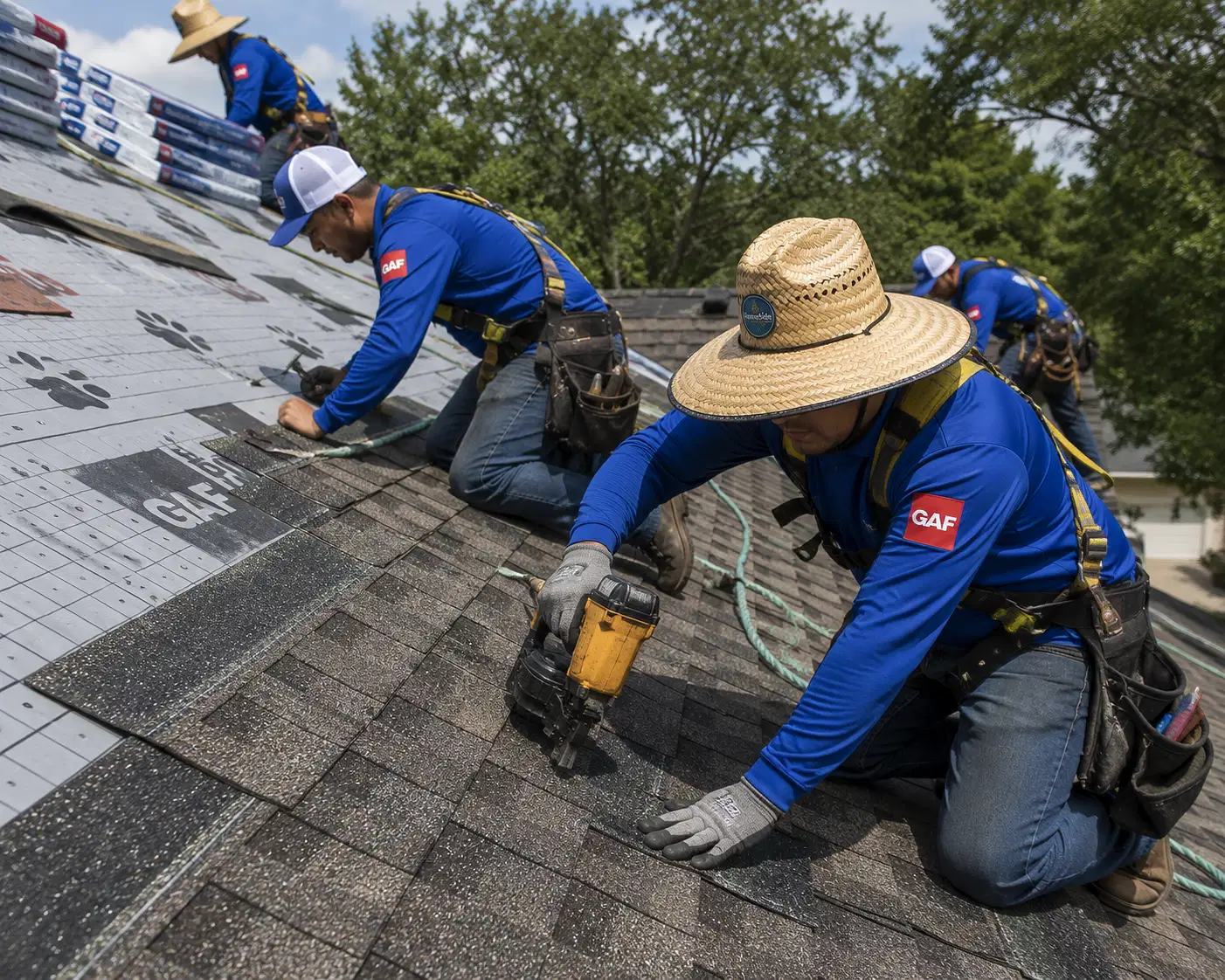
When a roof requires frequent patch jobs, the cumulative costs of ongoing maintenance quickly outweigh the investment of a new installation. A complete roof replacement offers long-term financial predictability, comprehensive warranties, and the ultimate peace of mind knowing your family and belongings are secure.
Time for an Expert Assessment
Replacing your roof is a major commitment, and you deserve a contractor who values transparency, proper licensing, and high-quality workmanship without the hard sell. Whether you are living in the city or out in The County, ensuring your home is protected by a fully MHIC-licensed team is paramount.
If you have noticed any of these warning signs, or if you simply want an honest evaluation of your aging roof, we are here to help, hon. Reach out to HomeSide LLC today to schedule a detailed inspection and explore our flexible, transparent financing options. Together, we can ensure your home remains safe, beautiful, and protected for decades to come.