
Uncovering Hidden Roof Damage After Summer Storms
Summer in Charm City brings high humidity, beautiful evenings, and sudden, fierce thunderstorms. While we often worry about the immediate impact of high winds and heavy rain, the aftermath of these storms can leave behind problems that aren't visible from the ground. Even if your home looks perfectly fine after a severe weather event, your roofing system might be harboring vulnerabilities that can lead to significant water intrusion later on.
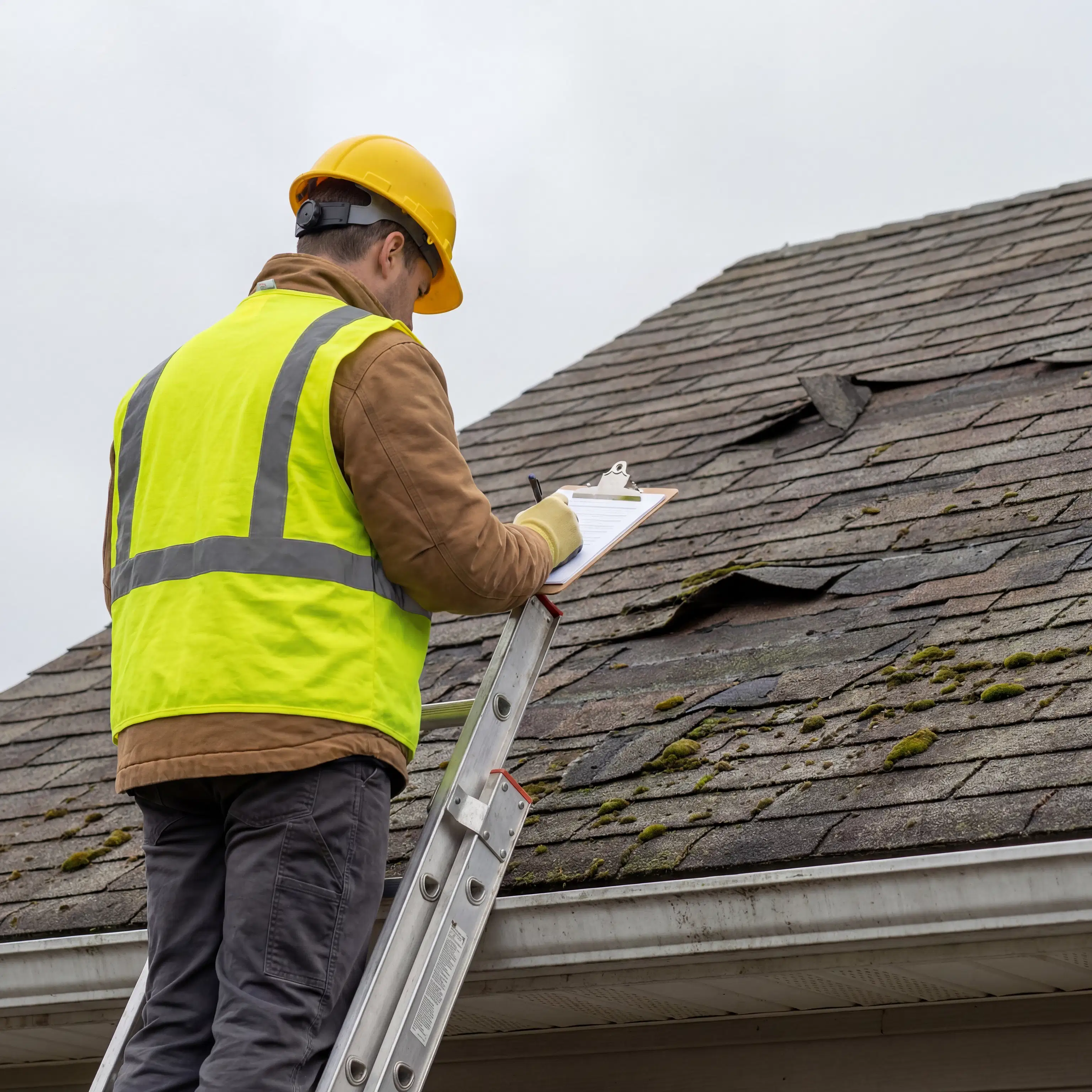
Understanding how to identify hidden storm roof damage is crucial for protecting your property. Many homeowners assume their roof is intact if there aren't obvious missing shingles or active leaks, but the reality is much more complex. High winds and sudden temperature shifts can compromise the structural integrity of your roof in subtle ways. To ensure your home is fully protected, scheduling a professional roof inspection after a major storm is one of the smartest investments you can make.
The Silent Impact of High Winds
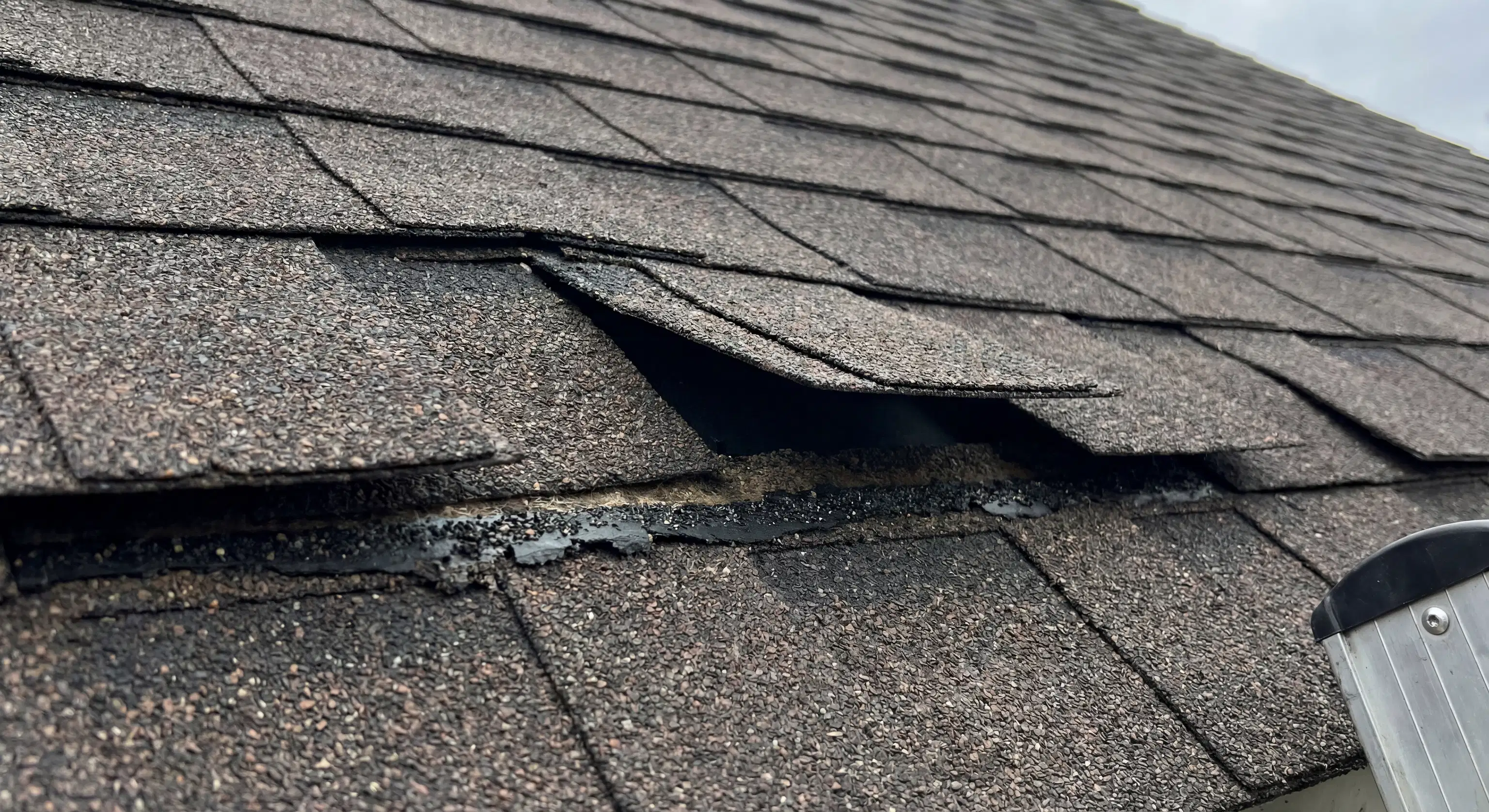
When a thunderstorm rolls through, high winds can catch the edges of roofing materials. For traditional sloped roofs, this often results in wind-lifted shingles. The wind forces the shingle up, breaking the essential adhesive seal that holds it securely to the course below. Once that seal is broken, the shingle may lay flat again, looking completely normal to the untrained eye. However, wind-driven rain can now easily penetrate underneath, eventually rotting the wood decking.
Knowing the signs of wind damage under asphalt shingles requires a trained eye, as the subtle creasing or broken seals aren't visible from the yard. This is particularly challenging for the diverse architecture we see locally. Whether you have a traditional suburban home or a historic rowhouse with complex flashing transitions where the flat roof meets aging Formstone, wind can exploit any minor weakness in the system.
Hail Impacts and Micro-Fractures
Hail is another major culprit when it comes to hidden deterioration. Even small hail can cause bruising to shingles, displacing the protective granules that shield the asphalt from UV rays. Over time, these bruised areas become brittle and crack, leading to premature aging and eventual failure of the roofing system.
When evaluating a property after a severe weather event, our team follows a rigorous hail damage roof inspection checklist to ensure nothing is missed. We check everything from soft metal roof vents and gutters to the flashing around chimneys and skylights. If you notice an unusual accumulation of granules washing out of your downspouts after a storm, it may be time to look into professional storm & hail damage repair.
Protecting Your Investment
One of the biggest risks homeowners face after a major weather event is the influx of out-of-state storm chasers. These temporary operators often rush through neighborhoods, promising quick fixes without the proper local licensing or long-term accountability. Unfortunately, poor workmanship can leave you worse off than before, especially when dealing with the unique architectural quirks of older homes or specific regional weather patterns that bring freezing winters and humid summers.
If hidden damage is ignored, what starts as a minor broken seal can easily escalate into a major interior leak, damaged insulation, or compromised structural decking. Addressing these issues early with a targeted roof repair is much more cost-effective than waiting for the ceiling to drip during the next heavy downpour.
At HomeSide LLC, we pride ourselves on delivering transparent, honest assessments for homeowners out in The County and beyond. We are fully MHIC licensed and dedicated to providing high-quality, weather-resistant solutions that protect your family and your equity. Don't wait for a hidden problem to become an emergency—contact us today to schedule a thorough evaluation of your roofing system.